By Steven Tripp
Ask any politician and they will tell you about the countless lobbyists that swarm within our Federal and State Parliaments.
Lobby groups and Non-Governmental Organisations (NGOs) spearhead policy change by supplying expertise, mobilising support and pressing politicians. Their impact can at times be beneficial, yet questions of scale, access and accountability arise when small organisations sway outcomes affecting unsuspecting voters.
A clear example is the aerial culling of brumbies in Kosciuszko National Park. The Invasive Species Council (ISC), a non-government, Victorian incorporated association with only 131 members and a modest 34,000 supporters on Facebook, has led the campaign to reduce wild-horse numbers.
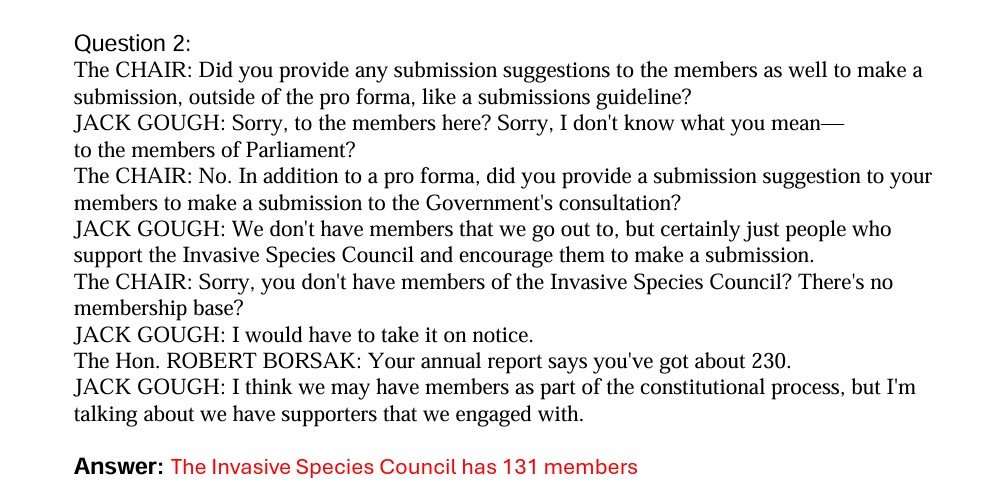
Despite operating outside NSW and representing a minuscule fraction of the state’s more than five million voters, the group has helped drive policy that aims to reduce the total brumby population in the park to 3,000 by 2027.
ISC CEO Jack Gough has been a leading public voice, arguing that feral brumbies damage fragile alpine ecosystems, waterways and native species. Gough has defended aerial shooting, stating in July 2026, “we have full confidence that national park staff are undertaking these important operations professionally, safely and humanely, as has been confirmed by numerous independent reviews, including by the RSPCA and vets”.
Meanwhile, Gough’s close personal ties have drawn scrutiny. Gough’s wife, Emily Dyball, publicly lists on her Linkedin profile her role as an environment advisor to NSW Environment Minister Penny Sharpe, who is the Minister with the executive responsibility for the culling.
Despite the influence of the ISC, multi-party opposition exists. Nationals MPs, such as Wes Fang and Sarah Mitchell, alongside the Shooters, Fishers and Farmers Party, have advocated against the cull. Independent Mark Latham has labelled the cull as a ‘barbaric practice’.
Emma Hurst of the Animal Justice Party has said, “Aerial shooting is ruthless and inhumane. When the last Government-sanctioned aerial shooting of brumbies took place at Guy Fawkes, horses were found days later still alive with bullet wounds. This is the sort of bloodbath we will likely see again.”
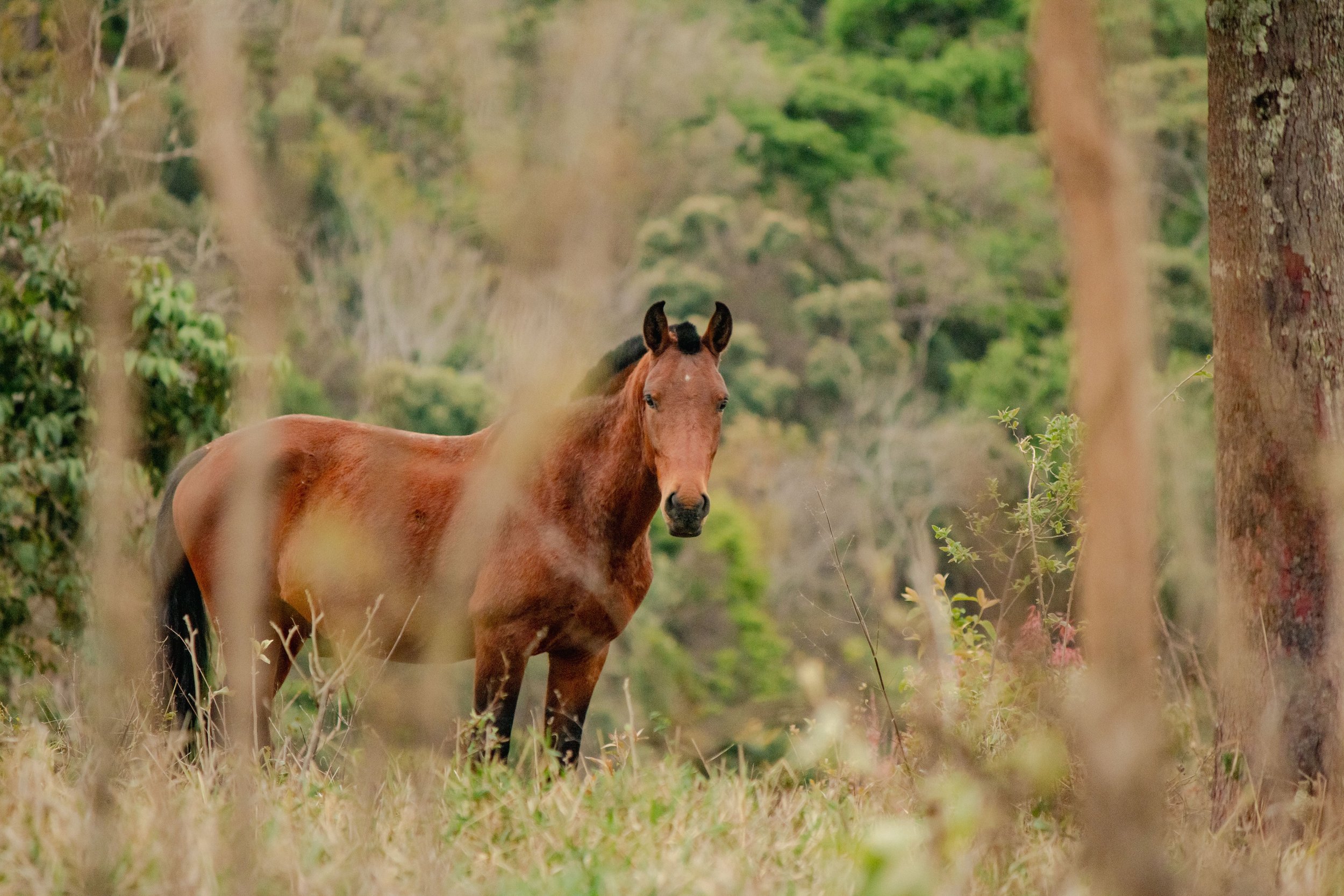
Despite this resistance within the Parliament, the reduction programme continues.
The episode illustrates how well-organised lobby groups can set agendas despite their lack of members or overall support. Unlike elected representatives, they face no direct voter accountability. Membership figures, monetary donations and personal networks remain lightly scrutinised.
Clearly, big questions remain on the influence of these groups.
By Steven Tripp