From Surplus to Trillion-Dollar Debt
Australia's Economic Reputation Squandered
By Steven Tripp
When Peter Costello’s time as Treasurer ended in 2007, Australia stood as an economic outlier. After inheriting a $96 billion net debt ‘black hole’ from Labor in 1996, the Howard-Costello Government delivered ten surpluses in from twelve budgets through relentless fiscal discipline.
Line-by-line expenditure reviews forced ministers to justify every dollar as if it were their own, which Costello recently recalled as an “enormous effort” in an interview with Peta Credlin.
“It’s not your money,” Costello explained. “It’s taxpayers’ money.”
Net Commonwealth debt was eliminated by April 2006, saving over $8 billion a year in interest payments. The Future Fund was seeded for future liabilities. Productivity surged, inflation remained low and Australia earned global admiration as a model of prudent economic management.
Two decades later, the contrast is stark and sobering. Federal gross debt has surged past $1 trillion, with net debt now around 35-43% of GDP. Australia entered the 2008 Global Financial Crisis with one of the lowest debt levels in the OECD, yet over the past decade its debt growth rate now ranks among the steepest. Revenue is at record highs, but expenditure has grown faster—outpacing inflation and population growth.
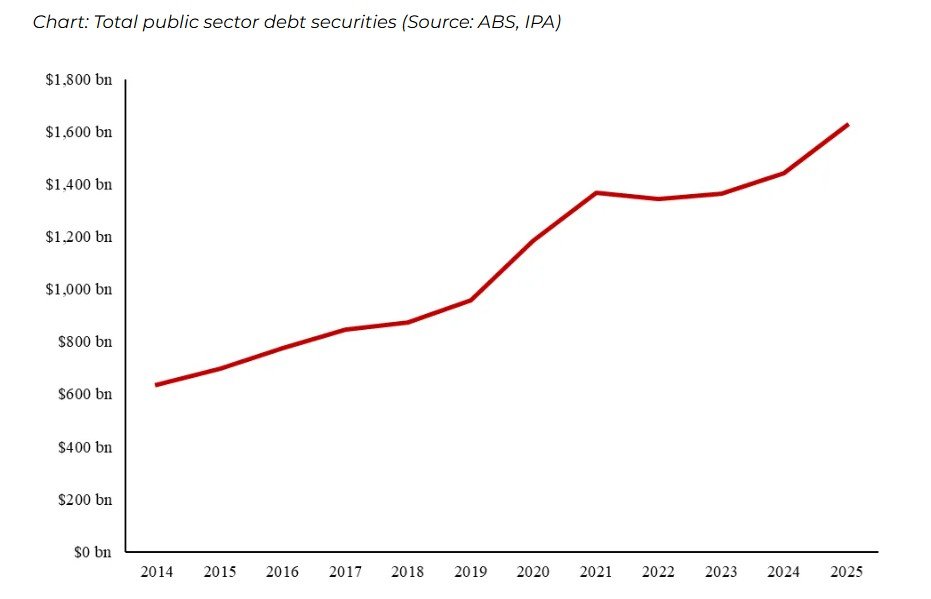
Successive governments, Labor and Coalition alike, have embraced persistent deficits, stimulus, off-budget spending (NBN, Snowy Hydro 2.0), and creative accounting.
Peer nations tell a different story. Sweden and Denmark have stabilised or reduced their debt burdens since COVID, while Australia’s continues climbing. Australia’s per-capita debt load has more than doubled in the past decade.
Government has swollen to its largest share of the economy since World War II, while alarmingly productivity has stalled and a growing share of Australians relies heavily on government payments and services.
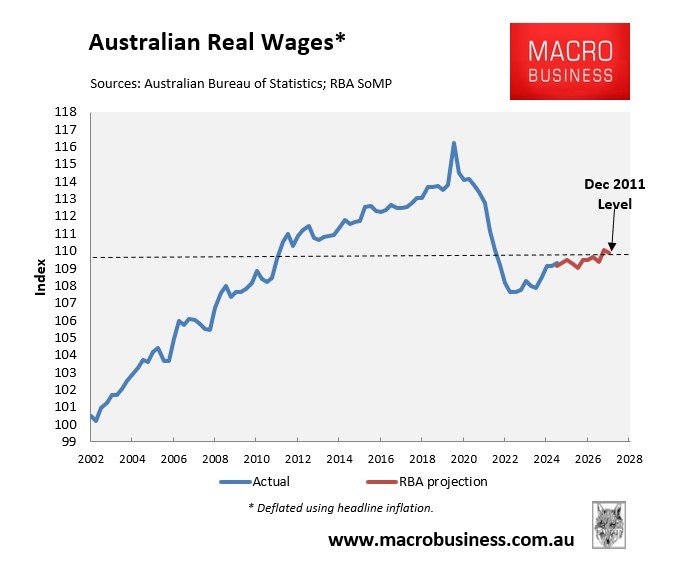
The human cost is unmistakable. A full-time minimum-wage worker can afford just 0.5% of available rental properties. Electricity prices spiked 37% in the 12 months to February 2026 after rebates ended. Headline CPI inflation sits at 4.6% in the year to March 2026 —well above the long-term 2.5% average.
Real disposable household incomes have suffered the steepest decline in the developed world, according to the OECD. Young Australians face a far worse position than their parents did, burdened by debt that demands higher taxes.
“It’s heartbreaking,” lamented Costello when asked about Australia’s current financial predicament. “To have worked so hard and to have got Australia into such a good condition. We were strong. We were admired around the World…Australia stood out.”
“I hoped this would be a gift to future generations of Australians.”
Meanwhile, the Albanese Government is contemplating new taxes, removing the discount on capital gains tax and removing negative gearing.
“Young Australians are in a significantly worse position today because of this debt,” Costello argues. “I hear the current Government talk about intergenerational equity, which they think means higher taxes. I started talking about intergenerational equity twenty years ago and it was all about restricting your spending, so you didn’t need higher taxes. That’s what they should have been doing.”
In a sobering analysis, Costello reflected on the contrast of Australia’s fiscal position over the last 20 years by saying, “We lost our way. We lost the sense that we could do this. We lost the sense we could be special. We lost the sense that we were prepared to work to make our country better.”
In conclusion, he said, “We have wonderful natural endowments. We could recover it. But gee, we’ve got to change direction.”